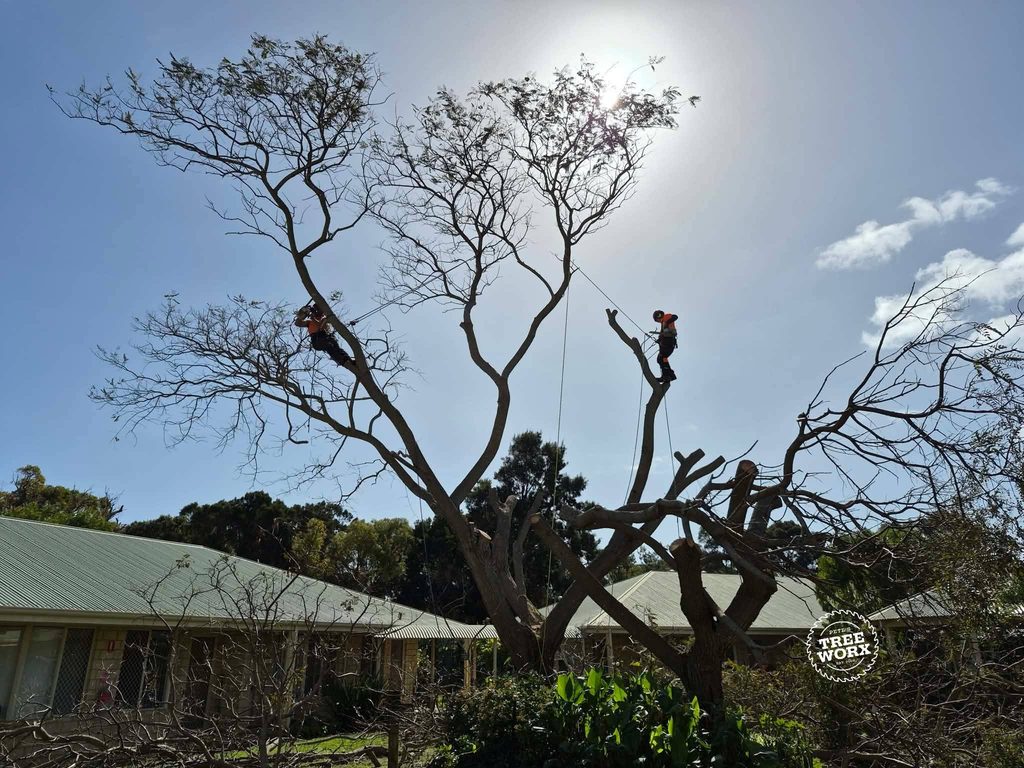
Most trees provide years of environmental, aesthetic, and practical value to a property. However, there are situations where a tree can quickly change from an asset into a serious safety concern. Following severe weather, structural failure, disease, or unexpected damage, property owners may need to act quickly to reduce the risk of injury and property damage.
Across Rockingham, emergency tree removal is often required when a tree presents an immediate threat to homes, vehicles, neighbouring properties, or public spaces. Understanding the warning signs can help property owners respond before a dangerous situation becomes even more severe.
Storm Damage Creating Immediate Safety Risks
Severe weather is one of the most common reasons emergency tree removal is required.
Strong winds, heavy rainfall, lightning strikes, and saturated soil can significantly weaken trees within a short period. Branches may split without warning, trunks can fracture, and root systems may lose stability.
Following major weather events, it is important to inspect trees for signs such as:
- Leaning trunks
- Cracked limbs
- Hanging branches
- Exposed roots
- Split canopies
- Fallen sections of the tree
In many cases, prompt action helps prevent additional damage during subsequent weather events.
Structural Defects That Increase The Risk Of Failure
Not all tree hazards are caused by storms.
Some trees develop internal defects that may not be obvious until significant deterioration has already occurred. Cracks within the trunk, large cavities, decay, and weak branch attachments can all increase the likelihood of sudden failure.
Professional risk assessments are often recommended when a tree begins showing visible signs of structural instability. Identifying these issues early allows property owners to make informed decisions about the safest course of action.
Trees Threatening Homes, Vehicles, And Public Areas
Location often plays a major role in determining whether emergency removal becomes necessary.
A damaged tree positioned near:
- Residential homes
- Garages
- Driveways
- Schools
- Public pathways
- Commercial buildings
can create immediate concerns if failure appears likely.
Even a single large limb can cause substantial damage when it falls unexpectedly. Emergency tree removal is often the safest solution when the risk to people or property becomes unacceptable.
Root Failure Following Extended Wet Weather
Many property owners focus on what they can see above ground, but root systems often tell a different story.
Extended periods of rainfall can weaken soil stability and reduce root anchorage. Trees that appear healthy may begin leaning as underground support systems deteriorate.
Signs that root failure may be occurring include:
- Newly exposed roots
- Soil lifting around the base
- Sudden leaning
- Cracks appearing in surrounding ground surfaces
These conditions should never be ignored, particularly when trees are located close to occupied structures.
Tree Removal Decisions Following Professional Risk Assessments
Emergency tree removal is not always the only solution.
Professional risk assessments help evaluate factors such as:
- Structural integrity
- Tree health
- Failure likelihood
- Site conditions
- Occupancy levels
- Potential consequences
In some situations, pruning may successfully reduce the risk. In others, complete removal becomes the most responsible option for protecting people and property.
Tree Services Commonly Required After Emergency Tree Work
Emergency situations often involve additional tree management services once the immediate hazard has been addressed.
Pruning For Remaining Tree Safety
Selective pruning can help improve the stability of neighbouring trees and reduce future storm-related risks.
Stump Grinding And Extraction Following Removal
Once a hazardous tree has been removed, stump grinding and extraction may be recommended to fully restore site usability and improve landscape presentation.
Storm Damage Clean-Up And Debris Management
Storm damage frequently leaves branches, vegetation, and debris scattered throughout the property. Professional clean-up helps restore safe access and improve site conditions.
Mulch Solutions From Removed Vegetation
Many property owners choose to recycle removed tree material into mulch for future landscaping and garden applications.
Emergency Tree Warning Signs Property Owners Should Never Ignore
Certain warning signs should always be treated seriously:
- Trees leaning suddenly
- Large hanging branches
- Split trunks
- Extensive storm damage
- Significant root exposure
- Cracks appearing through major limbs
- Trees contacting structures or powerlines
Early professional assessment can often prevent a dangerous situation from escalating.
Finding Professional Emergency Tree Removal Solutions in Rockingham Before Safety Risks Escalate
Emergency tree situations rarely improve without intervention. Whether you’re dealing with storm damage, structural failure, root instability, or a tree threatening nearby property, acting quickly can help minimise risks and prevent further damage. If you’re searching for experienced Rockingham tree removal experts, Pete’s Treeworx provides emergency tree removal, risk assessments, pruning, stump grinding and extraction, storm damage response, and ongoing tree management solutions for residential and commercial properties throughout the area. Contact Pete’s Treeworx today to arrange professional assistance before a hazardous tree situation becomes more serious.